|
•
Wednesday, August 12, 2009
Photo by Monster Today is Information Overload Awareness Day . call attention to the problem of Information Overload, how it
impacts Take my information overload quiz . Then pick one idea to reduce information overload in your life from this list. Mapping Strategy to Metrics, Benchmarking, and ROI
The purpose is
to to
|
|
•
Monday, July 13, 2009
Card sorting is a common technique used to gather input from representative audiences about how they think about your information. Next, we’ll create a revised information architecture for the NTEN website. Tags: Information Architecture Usabilit We’re excited to be working with the Nonprofit Technology Network to re-architect their website, NTEN.org . As each stage of the project is completed, we’ll share a behind-the-scenes recap about the process.
|
|
|
|
•
Monday, January 5, 2009
Understand how information overload might be effecting you and take a break to assess and rethink
Be a digital curator with your electronic information, not a packrat
Don't limit high quality information , filter out the crap
Rethink your relationship with information, Flickr Photo by RedRaspu Convio invited me to share my number one New Year's resolution as part of its "Now is the Time" campaign. The goal is to encourage nonprofits to make New Year's resolutions to that help them more efficiently and effectively move people to support their organizations.
|
|
•
Tuesday, July 7, 2009
Here's an interesting tidbit published in Science Daily --researchers analyzed 91 studies that included over 8,000 people and found that most of the time we seek information that supports our viewpoints and then screen out everything else: The researchers found that people are about twice as likely to
select select information that supports their own point of view (67 percent)
as as to consider an opposing idea (33 percent).
|
|
•
Monday, December 22, 2008
Photo by Breakmould
Steve Rubel has a post pointing to an " Information Overload Calculator " from the research firm Basex that is estimating that information overload costs the U.S. searching for information. Rubel has been predicting and writing about the " Attention Crash ." Given the competing demands for our attention is so intense and amplified by the economy $900
billion billion per year in "lowered employee productivity and reduced
innovation."
|
|
|
|
•
Tuesday, December 16, 2008
The Pew Internet and American Life Project has issued its annual forecast of “ The Future of the Internet .” It offers predictions for the Internet in 2020. Here's the high points:
The mobile device will be the primary connection tool to the Internet for most people in the world in 2020.
|
|
•
Friday, July 24, 2009
But the first thing we need to focus on is the information architecture, or navigation, of our site. We're undergoing some changes here at nten.org. Specifically, we're looking to make our site easier for you and all of our visitors to use. We've been very lucky to grow our site traffic by about 60 to 70% each of the last two years.
|
|
•
Wednesday, August 12, 2009
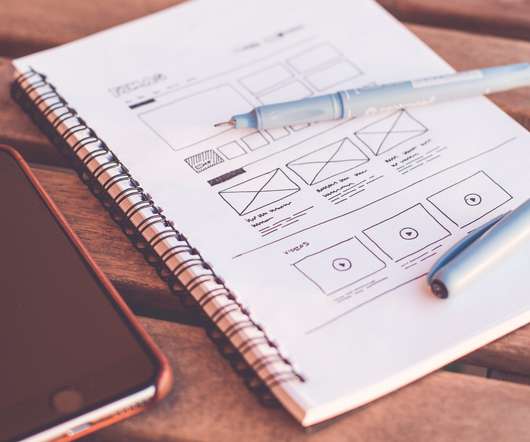
After completing card sorting exercises and drafting a new information architecture with NTEN , we moved on to the next step: usability testing with wireframe prototypes!
To evaluate a new enhancement, redesign, or information architecture — something that doesn’t actually exist yet
Using the wireframe prototypes, participants were asked to complete a series of tasks, some specific This is the second in our NTEN series. Check out Part 1: Card Sorting for NTEN - Behind the Scenes .
|
|
|
|
•
Tuesday, December 15, 2009
Tags: Information Coping Skill This is literally a page from Seth Godin's What Matters Now free ebook . It's a compilation of ideas from 70 big thinkers about what to think about in 2010. It's a quick read. What struck me Gina Trapani's thoughts on social productivity - "Getting things done is not the same as making things happen." While she is talking about personal leadership and making a difference, I think that phrase gets at the difference between organizational
|
|
•
Thursday, July 23, 2009
quot;It's always on, always with you and provides personal access to information."
Internet Sexuality Information Services, Inc (ISIS), a California-based nonprofit focused on sexual health, has been using text messaging since 2006. quot; In the first 25 weeks, the service had 4,500 inquiries, 2,500 of which led to more information and referrals.
A Corinne Ramey, MobileActive.org
Although Although nonprofits in the United States have been slower to embrace mobile phones for health purposes than the rest of the world, mobiles are catching on as a way to reach
|